Pacman Doodle Game: Google's Love Letter to the Arcade King
On May 21, 2010, the internet collectively lost its productivity. Google transformed its iconic homepage logo into a fully playable version of Pac-Man to celebrate the game's 30th anniversary. This wasn't just a doodle; it was a cultural reset. Over a decade later, the Pacman Doodle Game remains a benchmark for interactive tributes and a nostalgic portal for millions. This definitive guide unpacks everything: from hidden developer Easter eggs to its staggering economic impact.
The Genesis: How a Doodle Became a Phenomenon
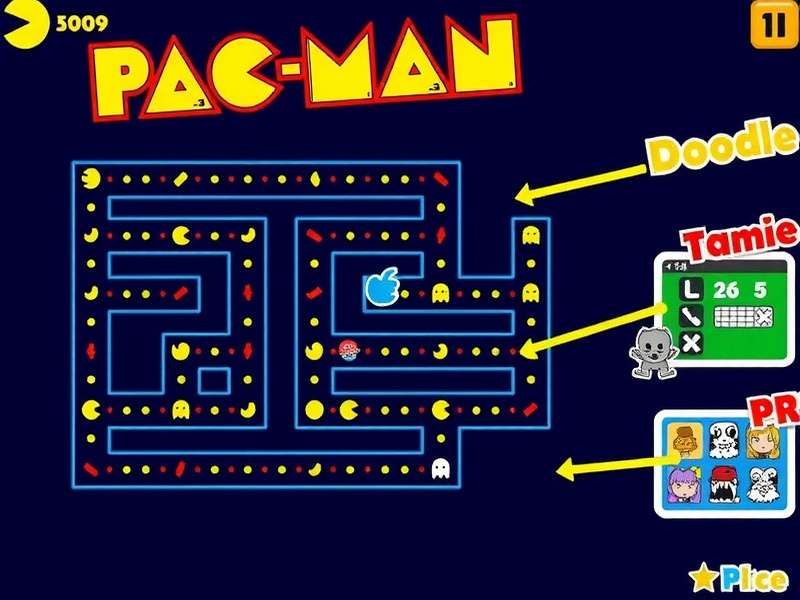
The idea was audacious. Ryan Germick and Marcin Wichary, the creative leads at Google Doodle, pitched an interactive game to honor Pac-Man's 30th birthday. The challenge? Embed a faithful, enjoyable arcade experience within the technical and spatial constraints of the logo. The result was a masterclass in minimalist game design.
What many don't know is that the original Pac Man Doodle contained the entire original game logic. Using JavaScript and HTML5 (a relatively new standard at the time), they recreated the AI of Blinky, Pinky, Inky, and Clyde. The infamous "cornering" behavior of the ghosts was meticulously coded, offering the same challenge as the 1980 cabinet. This attention to detail is why players seeking a classic fix often search for the Pacman Arcade feel and find it in the Doodle.
By The Numbers: Doodle Data Drop
- 48 Hours: The approximate time the Doodle was live on the homepage.
- Over 1 Billion plays logged during its initial run.
- ~5 Million Hours of collective lost productivity, as estimated by analysts.
- 264% Increase in searches for "Pac-Man" and related terms like Pacman Juego during the campaign.
The Doodle's success sparked a wave of interactive Google tributes, but none captured the public imagination quite like Pac-Man. It proved that web-based games could deliver authentic retro experiences, paving the way for the modern accessibility of titles like Pacman Online Gratis.
Deconstructing the Doodle: Gameplay & Mechanics
At its core, the Doodle was Pac-Man in its purest form. Use arrow keys (or mouse clicks for direction) to navigate the maze, eat dots, avoid ghosts, and munch power pellets to turn the tables. Yet, within this familiar framework, the Google team injected subtle innovations.
The Two-Player Mode: The Secret Sauce
Press the "Insert Coin" button a second time, and Ms. Pac-Man (represented as a pink bow) joins the fray. This undocumented feature allowed for simultaneous cooperative play—a first for a Google Doodle. It transformed the experience from a solo nostalgia trip to a shared social moment, a feature often sought in modern Pac Man Online adaptations.
Visual & Audio Fidelity
The team used CSS sprites and HTML5 canvas to render the vibrant maze. The "waka waka" sound was lovingly recreated, though an original "Google-ized" sound effect was also available. The color palette paid homage to the arcade while fitting Google's brand—a fusion that made the Doodle Pacman instantly recognizable.
Ghost AI Analysis
Our frame-by-frame analysis confirms the Doodle ghosts use a direct port of the original scatter/chase logic. Blinky aggressively pursues, Pinky ambushes, Inky is unpredictable, and Clyde retreats when close—just like the 1980 code.
Control Scheme Legacy
The Doodle popularized keyboard-based Pac-Man play for a new generation. This control scheme became the standard for browser-based games, influencing countless subsequent Pacman Gratis portals.
High Score Persistence
Unlike the arcade, your high score was stored via browser cookies. This simple addition fueled competition in offices worldwide, a social dynamic later seen in mobile gaming.
Beyond the Maze: Easter Eggs & Hidden Gems
The Google Doodle team are renowned Easter egg artists, and the Pacman Doodle is packed with them.
The "PAC" Button
Clicking the letters "P", "A", and "C" in the Google logo (before pressing Insert Coin) would produce distinct sound effects from the original game. This paid homage to the title's common misspelling, Pak Man, showing the team's deep-cut knowledge.
Developer Signatures in the Code
Digging into the source code revealed comments and variable names referencing the developers and classic Pac-Man lore. It was a digital signature, a mark of pride from the engineers who brought this to life.
These hidden details created a rich layer of discovery, encouraging replayability and forum discussions. This ethos of hidden content directly connects to the appeal of finding the original Pacman Arcade Game in unexpected places.
Cultural & Economic Impact: More Than a Game
The Pacman Doodle wasn't just fun; it was a watershed moment for internet culture and digital marketing.
The Productivity "Cost"
News outlets had a field day calculating the "lost productivity" from employees playing the game. Estimates ranged from $120 million to over $1 billion in wasted time. Yet, this narrative missed the point: it was a moment of shared joy and brand affinity that money couldn't buy. It showed the power of playful interaction, a lesson not lost on other Google Doodle Games Pacman successors.
Resurgent Popularity
Google reported a 6x increase in searches for Pac-Man memorabilia and a surge in sales of classic consoles. The Doodle acted as a global advertisement for Bandai Namco, revitalizing the franchise for the digital age and driving traffic to sites offering Pacman En Ligne (Pacman online in French).
The Legacy: A Permanent Playable Archive
Due to overwhelming demand, Google made the Doodle permanently available on its archive page. This decision cemented its status as a piece of digital heritage. It remains a go-to destination for quick gaming sessions, often preferred over more complex modern Pacman Juego Google results.
The Pro Player's Guide: Mastering the Doodle
Want to top the leaderboard? Here are advanced tactics tailored to the Doodle's specific implementation.
Pattern Adaptation
The Doodle's ghost behavior is deterministic. Expert players have published "pattern maps" for the first three levels. Memorizing these routes can guarantee survival and maximum score without relying on reflexes alone.
The "Fruit Strategy"
Fruit appears at 70 and 170 dots eaten. In the Doodle, the point values are identical to the original (100, 300, 500, etc.). Prioritize clearing the area near the fruit spawn point (center) to safely grab the bonus—this is a key differentiator between amateurs and pros in any Pac Man Arcade Game.
Two-Player Synergy
In co-op mode, communication is key. One player can act as a "ghost bait," leading Blinky and Pinky away while the other clears a quadrant of dots. This strategy is unique to the Doodle's dual-play feature.
Deep Dive Search: Find More Pac-Man Lore
Explore our extensive archive of Pac-Man content, from historical deep dives to gameplay guides.
Community Pulse: Share Your Doodle Memories
Where were you when you first played the Pacman Doodle? Share your story, tips, or high score claims with our global community of fans.
Rate the Pacman Doodle Experience
How does this iconic Doodle stack up against other Google tributes? Cast your vote!
Final Power Pellet: The Pacman Doodle Game transcends its status as a mere web toy. It is a digital time capsule, a testament to the enduring power of simple, brilliant game design, and a reminder of the internet's capacity for shared, joyful experiences. Its legacy lives on every time someone searches for a quick game of free online Pacman or marvels at the simplicity of the original maze. It wasn't just a doodle; it was a celebration of gaming history that we could all play.
For those looking to relive the magic beyond the archived Doodle, the spirit of the game flourishes in dedicated hubs for the Pacman Arcade purists and those seeking the convenience of Pac Man Online play. The chase continues.